
Social Video Articles
Helpful tips from Andy regarding making great video for your social media feed.
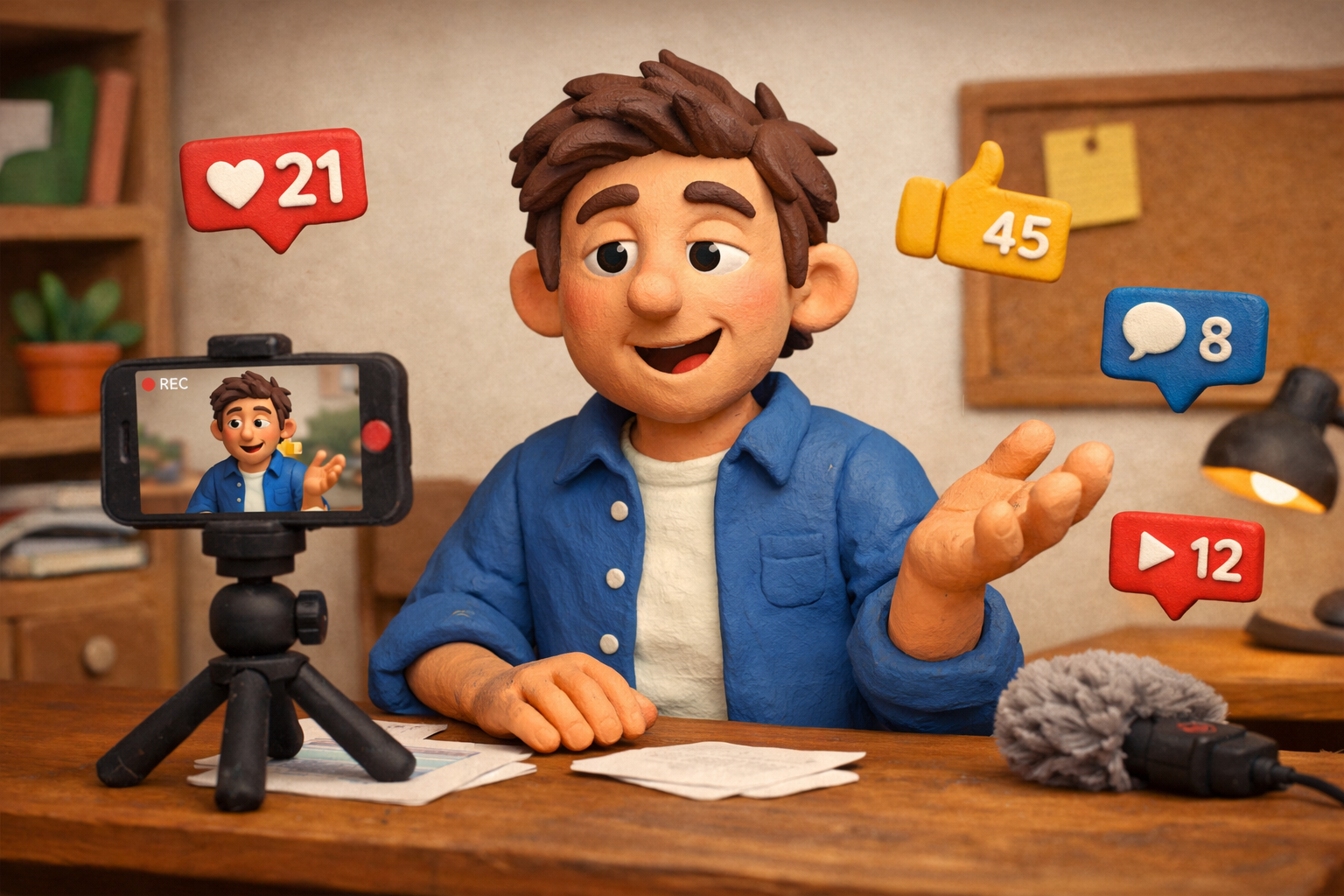

Why social media video doesn’t need to be perfect to work
There’s a persistent belief that video needs to look polished, scripted, and studio-ready to be effective.
In reality, the opposite is usually true, especially on social media.
What people respond to is clarity, honesty, and relevance. Not perfection.
Perfection is not what social platforms reward
Social platforms are designed around behaviour, not production quality. They prioritise content that feels natural, easy to consume, and made for the platform rather than something that looks like an ad.
What actually performs well
The videos that tend to perform best are the ones that feel simple and direct. They get to the point quickly, feel like a real person talking, and don’t try too hard to impress.
- Clear and easy to understand
- Human and relatable
- Confident, but not over-rehearsed
- Shot quickly and shared consistently
These videos fit naturally into a social feed, which is exactly where they’re meant to live.
What perfection often causes
Trying to make everything perfect usually slows things down. People start second-guessing themselves, worrying about how they look or sound, and delaying posting altogether.
- Overthinking what to say
- Endless reshoots
- Delays in posting
- People avoiding being on camera altogether
Momentum dies long before the video ever gets published.
People trust people, not performances
Audiences are very good at sensing when something feels forced. When a video turns into a performance, it often loses the thing people actually connect with.
Natural beats polished
A relaxed, straightforward video almost always feels more believable than something overly produced. It sounds like a real conversation, not a rehearsed pitch.
- It feels honest
- It sounds like how people actually talk
- It builds familiarity over time
That familiarity is what turns viewers into followers, and followers into customers.
Confidence grows through doing
Confidence on camera doesn’t come from planning or scripting more. It comes from repetition and real-world experience.
The more someone records, the quicker they realise they don’t need to be perfect to be effective. Each video lowers the pressure on the next one.
Your phone is usually more than enough
Modern smartphones have removed most of the technical excuses around video. For social media, they’re often the best tool available.
Why phones work so well
Phones make video feel casual and accessible. People are used to them, which helps everyone relax and speak more naturally.
- Excellent video quality
- Fast setup
- Less intimidating than a big camera
- Easy to shoot in real work environments
That comfort shows up clearly on screen.
Simple setup beats complex setup
The more complicated the setup, the less likely video happens consistently. Simple setups remove friction and keep the focus on the message, not the gear.
If video is easy to make, it actually gets made.
Consistency beats quality spikes
One highly polished video followed by weeks of silence doesn’t build trust or momentum. Social media rewards consistency far more than occasional quality spikes.
What consistency looks like
Consistency doesn’t mean boring or repetitive. It means people know what to expect and see you showing up regularly.
- Short, useful videos
- Regular posting
- Similar tone and style each time
- One clear message per video
Over time, this creates familiarity and trust.
What to avoid
Waiting for the perfect idea or the perfect moment usually leads to long gaps between posts. Those gaps break momentum and confidence.
- Waiting for the “perfect” idea
- Posting only when everything feels right
- Treating each video like a major production
Showing up imperfectly is better than not showing up at all.
Video should feel achievable for normal people
If video feels stressful, awkward, or high-pressure, it won’t last. That’s usually a process problem, not a confidence problem.
The goal isn’t to turn people into presenters.
It’s to help them speak clearly about what they already know.
When video feels normal, it becomes sustainable.
Frequently asked questions
Does low-effort video look unprofessional?
Not if the message is clear and the person is credible.
Thoughtful beats scrappy. Scrappy beats polished-but-empty.
Should we never use professional cameras?
Professional cameras absolutely have their place.
They just shouldn’t be a barrier to starting or posting consistently.
What matters more: video quality or message?
The message, every time.
If people understand and trust what you’re saying, the rest is secondary.
How long should social media videos be?
Long enough to say one clear thing.
Short enough that you don’t waffle.
What if someone hates being on camera?
That’s completely normal.
A simple setup, clear guidance, and a low-pressure process usually fix it faster than forcing confidence.
Check out some of our other articles
What clients say
Real words from real business owners